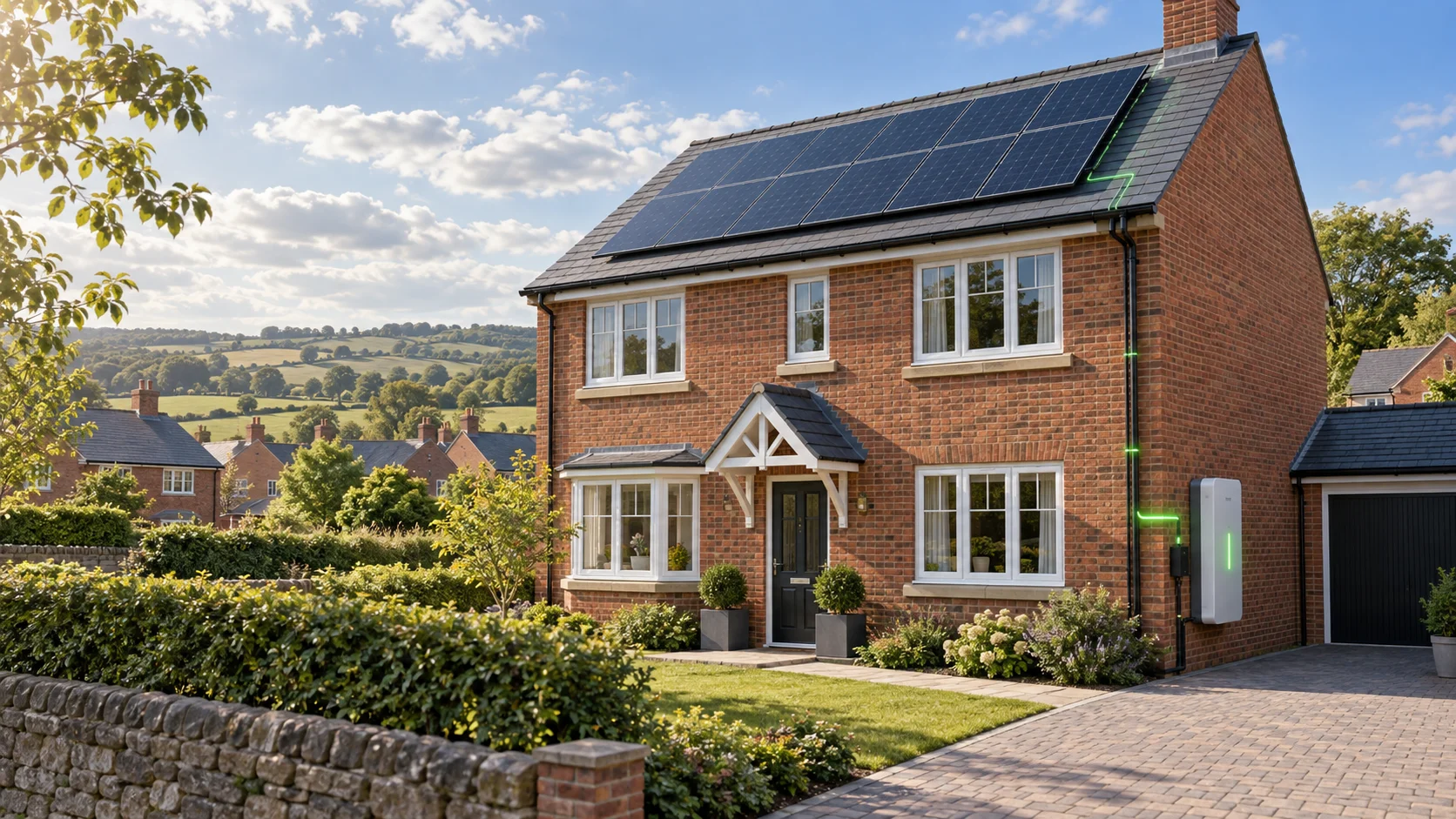
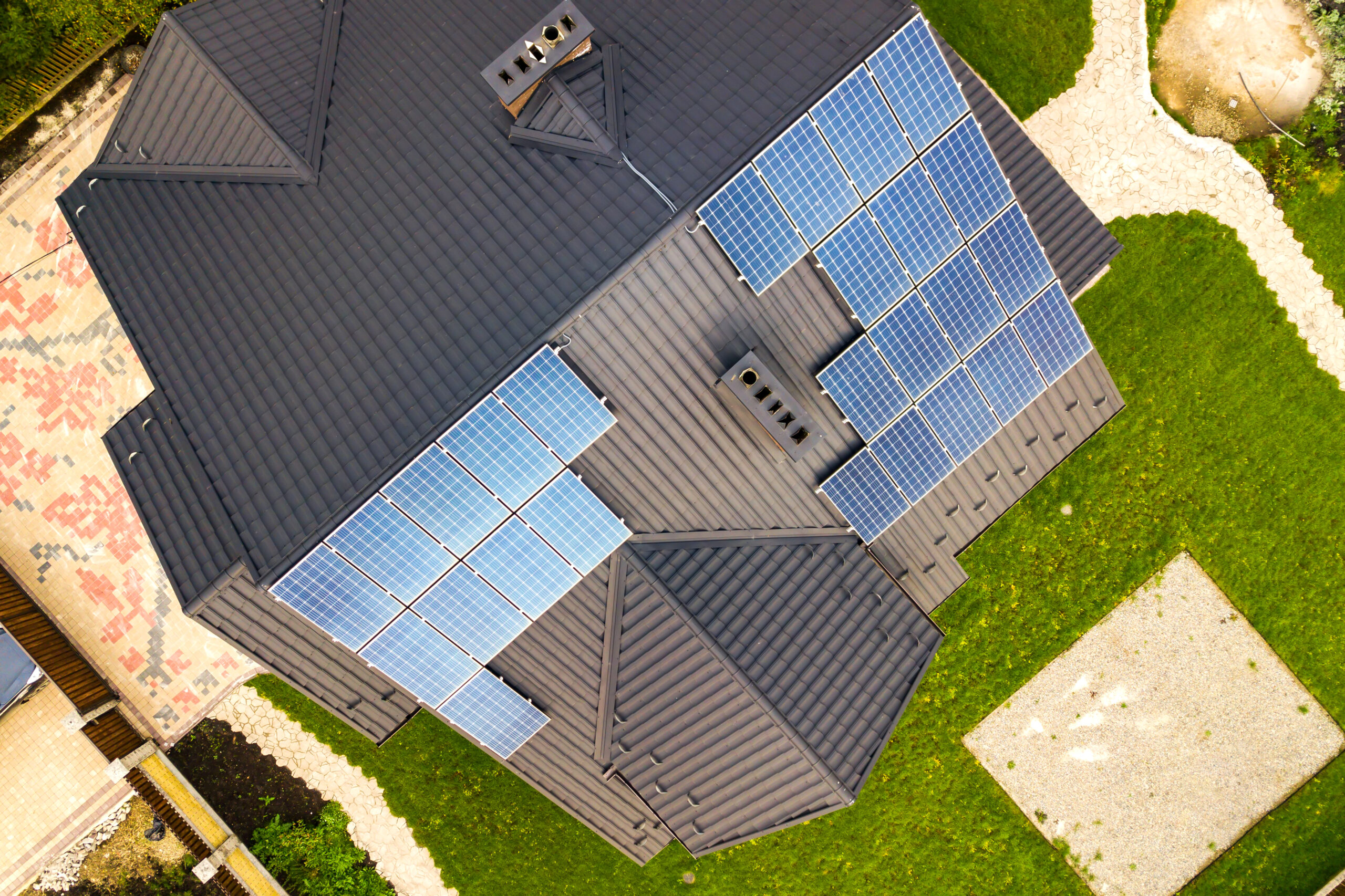
If you’ve been considering installing solar panels on your home, you may have heard about the “20% rule” of solar power. This is not an official rule or requirement, but more of an unwritten solar industry standard. Most solar installers apply this rule to ensure solar panel systems are designed efficiently and reliably.
Understanding this rule allows homeowners to make smarter decisions about system sizing, energy production and long term savings when investing in solar power.
20% Rule for Solar Power Explained
The “20% rule” for solar power is a design principle used when sizing a solar panel system. Essentially, the rule states that your solar panel installation should produce approximately 20% more energy than your average electricity consumption.
Take this example:
- Average annual electricity use: 4,000 kWh
- Solar panels produce: 4,800 kWh annually
Solar panels rarely operate at their maximum rated output due to many factors that affect solar production. Weather, shading, system losses, dirt and debris all have an impact so by oversizing solar systems by 20%, solar installers can account for these losses.
Why Does the 20% Rule Exist?
Solar panels never quite perform as well in real-world conditions as they do when undergoing factory tests. The reason for this 20% rule is to compensate for any solar power loss due to factors effecting output, ensuring you will still produce enough energy to cover your electricity needs.
Weather/Seasonal Variations
Solar panels will generate less electricity during cloudy days. The UK climate in particular means production can vary throughout the year.
System Losses
Energy losses can occur within the system itself. For instance converting DC power to AC power to use in your home.
Dirt & Debris
Things like dirt, dust and bird droppings can all cause your solar panels to operate below their optimum efficiency.
Shading From Trees/Buildings & Roof Pitch/Azimuth
Trees, nearby buildings, or the angle of your roof can limit how much sunlight reaches the panels.
So installing solar panels with enough capacity to give you around 20% more electricity helps cover for some of these energy losses.
Solar System Design & The 20% Rule
Solar installers factor the 20% rule into their calculations when designing a solar PV system.
This process usually includes:
1. Calculating Average Electricity Usage
The installer will take a look at your previous energy bills to calculate your yearly energy consumption.
2. Figuring out how much solar power to generate
They will typically size your system to produce 20% more electricity than your average annual usage.
3. Working out how many solar panels to install
How many solar panels are needed depends on roof space available and the solar output of the panels which is the step to finalise the system design.
Installing solar panels that generate more power than you typically use helps ensure you generate enough electricity even during bad weather.
Is The 20% Rule a Legal Requirement?
Remember that the solar panel size isn’t set in stone or regulated by law.
Instead, it is simply a guideline used by many solar professionals to help design efficient systems that meet energy needs reliably.
It’s worth noting that the “perfect” system size depends on your home and needs and it is not a universal fit. Solar installers take into account:
- Household electricity usage
- Available roof space
- Budget
- Solar battery storage (if applicable)
- Potential increases in energy use in the future
They’ll design a solar panel system that best suits your home.
Benefits of Following the 20% Rule
There are benefits to following the 20% rule when installing solar panels:
Reliable Energy Production
Oversizing the system helps to ensure your panels generate enough energy throughout the year even when conditions aren’t ideal.
Improved Long Term Savings
The right system size will ensure you get the best saving on your energy bills without wasting money on installing unnecessary sized panels.
Future Proofs Your Energy Use
It’s likely that your energy usage will go up in the future. Maybe you’ll buy an EV and need to install a charging point, or swap your old gas boiler for an electric heat pump. Solar panels sized using the 20% rule can help future proof your energy usage.
Allows You to be Less Reliant on Grid-Supplied Electricity
The more electricity your solar panels generate, the less you have to import from the grid.
Does the 20% Rule Apply to Every Solar Installation?
While the 20% rule works for most properties, it may not be appropriate for all of them.
For example, some systems may be designed to only produce around 80% of household energy needs, leaving the remaining demand supplied by the grid.
Every solar panel system is different. They can vary depending on a number of factors such as:
- Limited roof size
- Planning restrictions
- Grid export limitations
- Solar battery storage capacity
This is why it is important to work with an experienced installer who can tailor a system for your property.
Want Advice On Solar Panels?
There’s plenty to learn about solar panels before making the investment. But while things like the 20% rule are great for helping you make informed decisions, they don’t mean you should try designing a solar system yourself.
By partnering with the right solar installer, you can get expert advice on solar panels and have a solar PV system designed specifically for your home.
Get in touch with the team at Eden Power Ltd today to learn more about solar panels and how they can help you generate your own energy and reduce your bills.