If you’ve been thinking about getting solar panels installed, you might be wondering whether planning permission is required.
For most homes in the UK, solar panels are covered under permitted development rights, meaning you won’t have to apply for planning permission.
But there are rules and exceptions around this too. In this guide, we’ll explain:
- Everything you need to know about planning permission for solar panels
- How to ensure your installation is compliant
- Why working with a professional installer is your best option
Do Solar Panels Require Planning Permission?
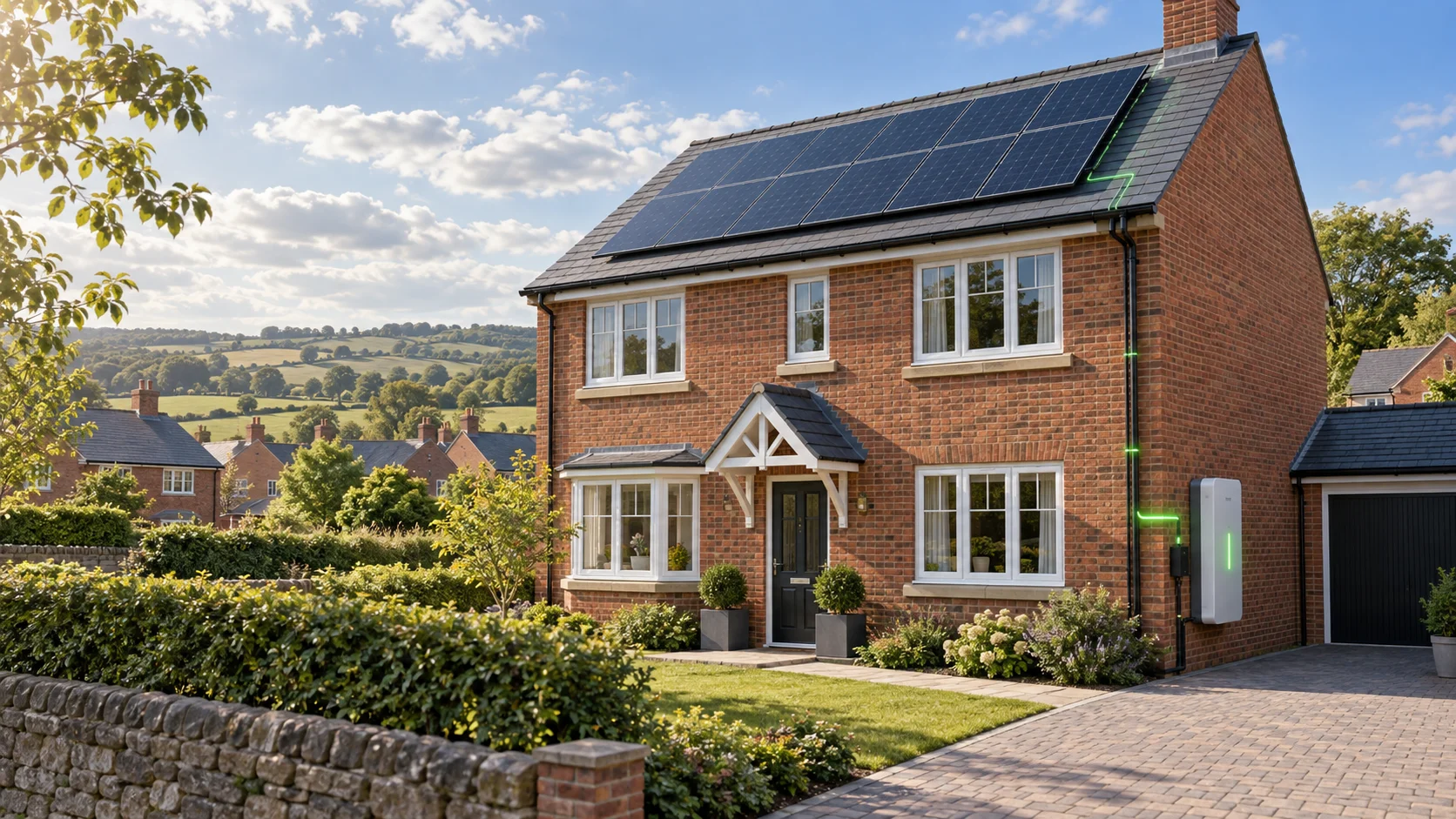
For most homeowners in the UK, solar panels will be covered under permitted development rights. This means you do not have to formally apply for planning permission from your local council.
Most solar panel installations will fall into this category, which is great news because it means your solar panel installation process will be faster and you can start saving on your energy bills sooner.
Keep in mind that permitted development has its own rules you’ll need to follow, including:
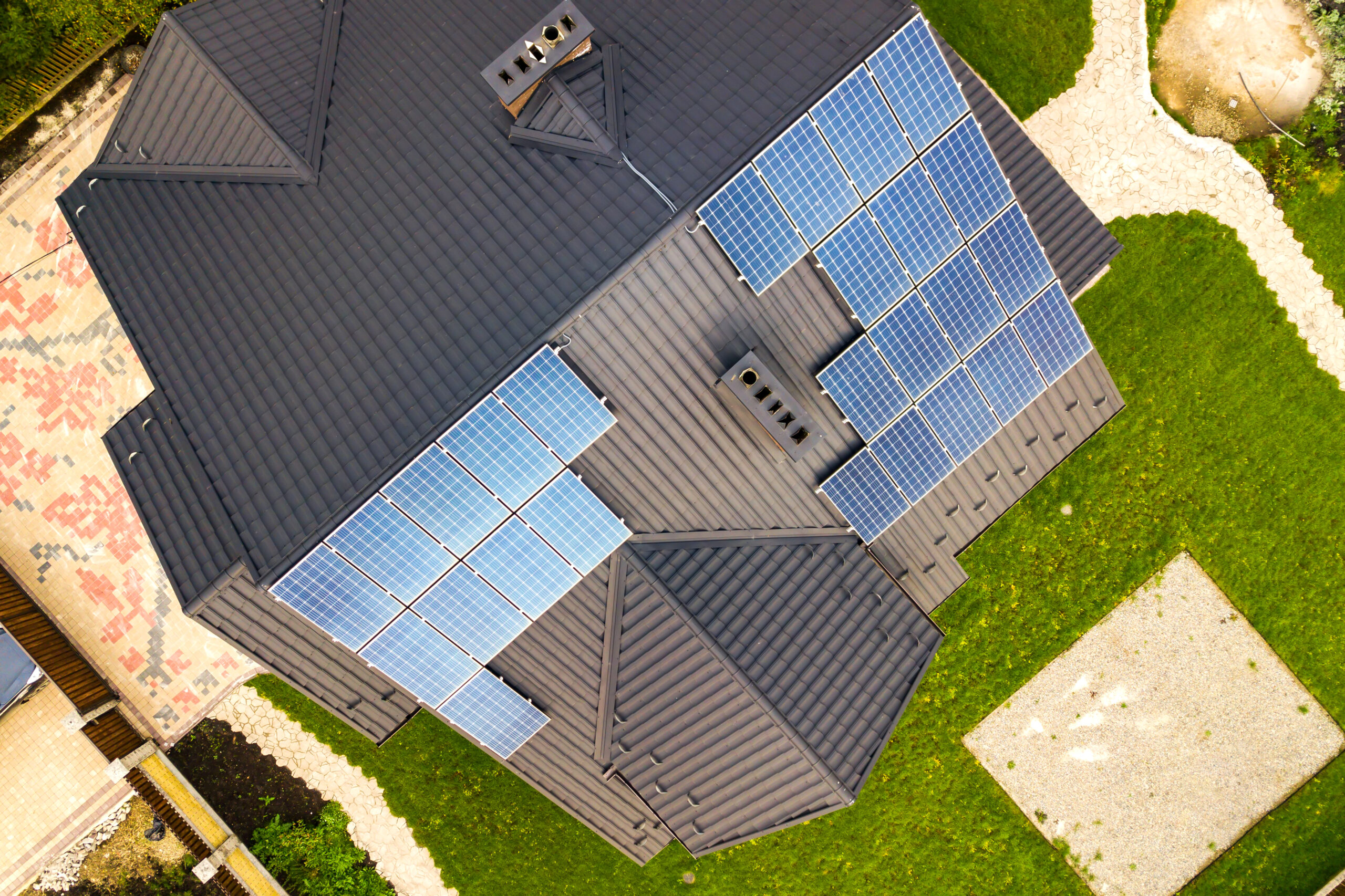
- Solar panels cannot project more than 200mm from the surface of a roof/external wall
- They can’t be installed above the highest part of the roof (not including chimneys)
- You must do everything you can to minimise visual impact of the panels
As long as these conditions are met you’ll be fine and likely covered by permitted development.
When Do You Need Planning Permission for Solar Panels
Whilst most solar panel installations don’t require you to apply for planning permission, there are some occasions where it is required.
1. Listed Buildings
Properties that are listed or in a conservation area require planning permission. In most cases, you will also need listed building consent as well.
This is because solar panels could impact the historic or architectural interest of the property.
2. Conservation Areas
Installing solar panels in a conservation area is perfectly fine. But you do need to be aware of certain restrictions.
For instance:
Wall mounted panels cannot usually be installed on walls that face a motorway. If your solar panels are clearly seen from the road you may need permission from your local council, so check first if you’re not sure. But don’t let this put you off as solar panels can still be installed in conservation areas.
3. Ground-Based Solar Panels
Permitted development is less likely to apply if you’re having ground panels installed.
If your panels and supporting equipment are:
- Greater than 9m²
- Taller than 4 metres
- Too close to your property boundary
Then your project will likely need planning permission. Smaller ground solar panel setups may still be permitted, but you’ll have to double check first.
4. Removed Development Rights
If your property has had their permitted development rights removed you’ll need planning permission.
This happens in certain circumstances such as:
- New build properties
- Properties located within a conservation area
- Building within airport flightpaths
If you’re not sure, it’s always best to check beforehand rather than having your solar panels installed and then being told you need to take them down.
Key Solar Panel Planning Rules to Follow
Even if you don’t need to apply for planning permission, there are certain rules you’ll have to adhere to.
Solar panels must be:
- Installed as close to the pitch of the roof as is possible
- Not cast a shadow over a neighbour’s property for excessive amounts of time
- Taken down when not in use
- Installed in a way that minimises impact on the overall look of the building
Planning permission tends to be the less of two evils. But if you don’t follow these rules, your panels still may not qualify for permitted development.
Do You Need Approval from Building Regulations?
Yes. Even if your panels don’t need planning permission from your local council, you’ll still need approval from Building Regulations.
Some of the things building regulations will cover include:
- Whether your roof can safely support the extra weight of solar panels
- If electrical wiring and installation is safe
- Fire compliance
As long as you hire a professional installer to do the work, your panels will be fine.
Your Installer can Help with Planning Permission
Whilst solar panel planning permission doesn’t apply to most homeowners, you may still run into issues as certain installations will require permission from your local council.
Neighbours can also object to panels, but this is fairly rare and if your panels are covered by permitted development, there’s not much your neighbours can really do.
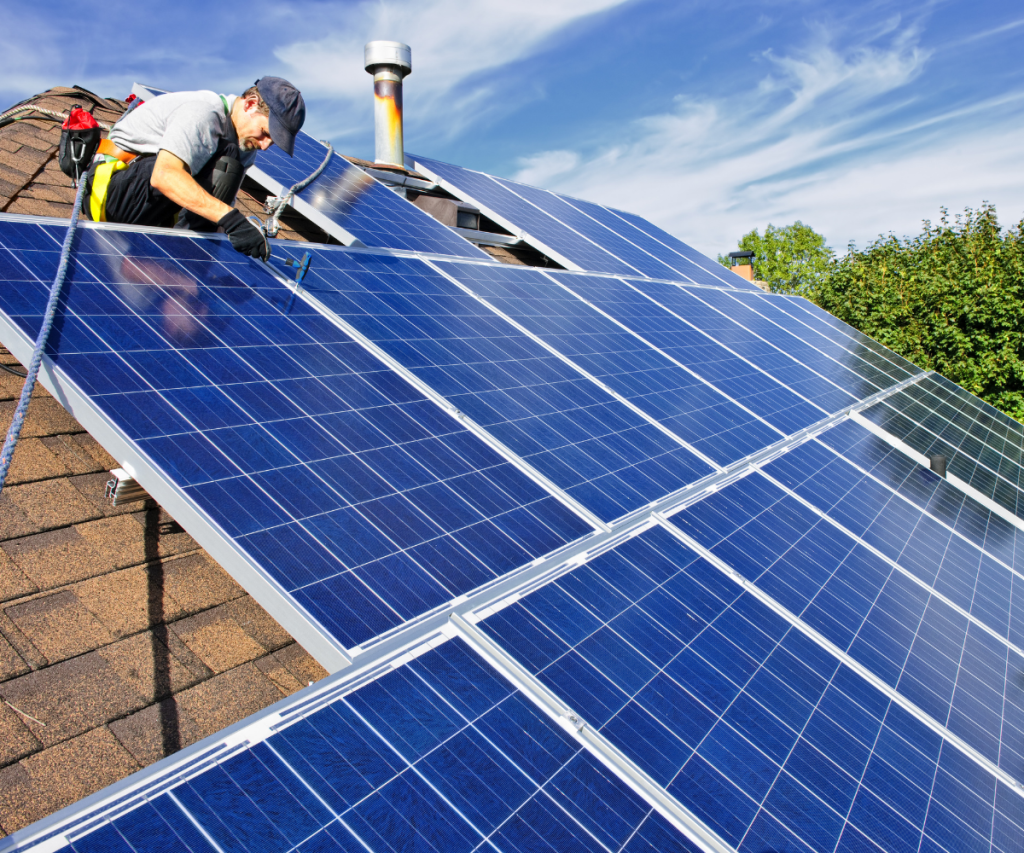
Your solar installer will be able to advise you on everything you need to know about solar panel planning permission. Not only will they do the physical job of installing your panels. But they can help with things like:
- Determining whether you need planning permission or not
- Helping you gain planning permission if required
- Making sure your panels qualify for permitted development
- Ensuring your installation is safe and compliant with regulations
Installing solar panels is a big decision, and by using a professional installer like Eden Power Ltd, you can take the headache out of the process.
Conclusion
So, do solar panels need planning permission? In short, no they don’t, but it depends on your individual circumstances. For most homes permitted development will apply, making it easier for you to get solar panels installed on your roof.
If you have any concerns or think your property may be subject to planning permission rules. Make sure to speak to your installer before rushing into anything. If you need help or have any questions, our team at Eden Power Ltd are always happy to help.
FAQs
Do solar panels affect property value?
Installing solar panels can actually increase the value of your home. House buyers are willing to pay more for a home with solar panels.
Can planning permission be refused?
If an installation doesn’t meet certain criteria, it is possible for your councils planning department to reject your application.
How much does it cost to get solar panels permitted?
As of April 2026, the specific cost for a householder planning application for solar equipment in England is typically £249.
Can you appeal planning permission decision?
If you’re refused planning permission, you can appeal the decision yes, but whether you’re likely to win that appeal is a different story.