If you’re thinking about getting solar panels installed you’ve probably wondered how much electricity they’ll actually generate?
It’s a valid question as you want solar panels to make a difference to your energy bills and be a worthwhile investment for your home. The amount of energy solar panels are able generate depends on several factors, including location, orientation of your roof and size of your system, with many homeowners actually being surprised at how much electricity solar panels can produce.
How Much Electricity Do Solar Panels Generate Each Day?
For the average sized home in the UK, we typically install 4kW solar panel systems. This is one of the most popular sizes for domestic solar systems and will usually consist of 10 to 12 panels.
Your solar panels will generate between 8-15 kWh of electricity on an ‘average’ day. System output will be much higher during the summer months (when there are more daylight hours and sunlight is stronger), and naturally lower in the winter months when daylight hours are much smaller.
To put that into perspective, the average UK home uses between 9-10kWh of electricity per day, so your solar panels will generate enough electricity to cover most of your homes electrical usage, especially in the spring and summer.
What Affects Solar Panel Output?
There are several things that will affect how much electricity your solar panels will generate, including:
Your location
Homes in the South typically receive more sunlight throughout the year when compared to homes further North. So systems installed in the Midlands, South West and South East may see slightly higher annual energy returns.
But that doesn’t mean solar panels don’t work in northern Britain, as modern solar panels are designed to produce electricity from daylight, not direct sunlight, meaning they are still able to generate electricity on overcast days.
Roof direction and angle
The direction your roof faces has a big impact on how much electricity your solar panels will generate. Roofs that face south tend to generate the most electricity as they receive the most sunlight throughout the day.
Roofs that face east and west are also good and will generate a high amount of electricity, but won’t quite hit the numbers of a south facing system.
The angle your roof pitches at is also important, however as most roofs in the UK pitch at the optimal angle, so this isn’t usually an issue.
The time of year
One of the biggest factors affecting solar production is the season.
During June and July, your solar panels could generate several times more electricity than they do in December or January. This is completely normal and simply reflects the difference in daylight hours throughout the year.
Many homeowners find that their system produces more electricity than they can use during summer, especially when they’re out at work during the day.
Shading on panels
One of the most important aspects of your solar installation is ensuring your panels aren’t shaded.
Factors such as trees, chimneys, neighbours houses and other buildings can all create shadows on your panels which will affect their performance. Something as small as a roof vent can create a shadow over your panels which could decrease their performance.
That’s why professional installation is so important. At Eden Power Ltd we analyse each house individually to ensure you get the most efficient set up.
Do Solar Panels Still Work on Rainy and Cloudy Days?
Yes, this is one of the biggest misconceptions about solar panels, as people assume that for solar panels to work, there must be sunshine. The reality is solar panels can still generate electricity on cloudy days.
This is because solar panels don’t need direct sunlight to produce electricity, they just need daylight. As long as there is daylight hitting your solar panels they will still generate electricity.
Solar panels won’t produce as much electricity on a rainy day as they would on a bright summers day, however they will still generate a reasonable amount of electricity meaning they work efficiently all year round.
How Can You Increase How Much Electricity Your Solar Panels Generate?
There are a couple things you can do to increase the output of your solar panels:
- Get a high-quality solar panel system installed
- Have the panels installed in the optimal position
- Keep panels clear of excessive dirt and debris
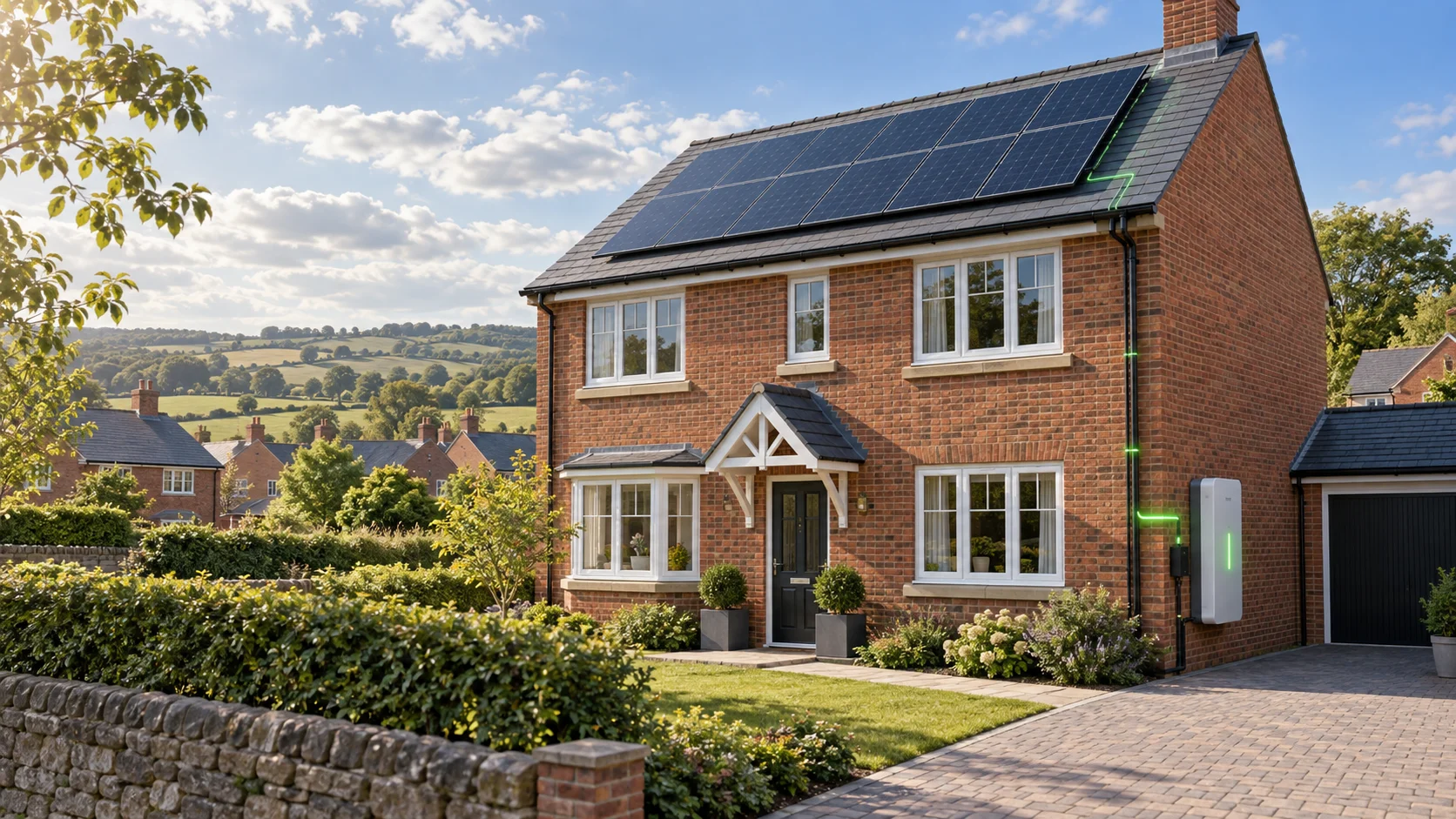
- Install a solar battery
Solar batteries allow you to store the electricity that your solar panels generate during the day so you can use it at night. Solar batteries allow you to use 100% of the electricity your solar panels generate (as opposed to just what you use during the day).
Are Solar Panels Worth it in The UK?
Solar panels have become increasingly popular for homeowners across the UK who want to reduce their energy bills and have more control over their energy usage, and thanks to modern solar technology homeowners can generate thousands of kWh of electricity every year from their solar panels.
When combined with smart energy consumption and solar batteries, solar panels can mean huge savings for homeowners.
Want to Find Out How Much Electricity Your Home Can Generate?
Get in touch with Eden Power Ltd today to find out exactly how much electricity your home can generate with solar panels. Simply contact us to arrange a free quotation with one of our experts.